Pickleball and Aging: Staying Active and Safe in the Twin Cities
Amada Senior Care of the Twin Cities
For more information about the author, click to view their website: Amada Senior Care Twin Cities
Jul 05, 2026
Minnesota - Twin Cities Metro Area

Email US
Click to Email Us
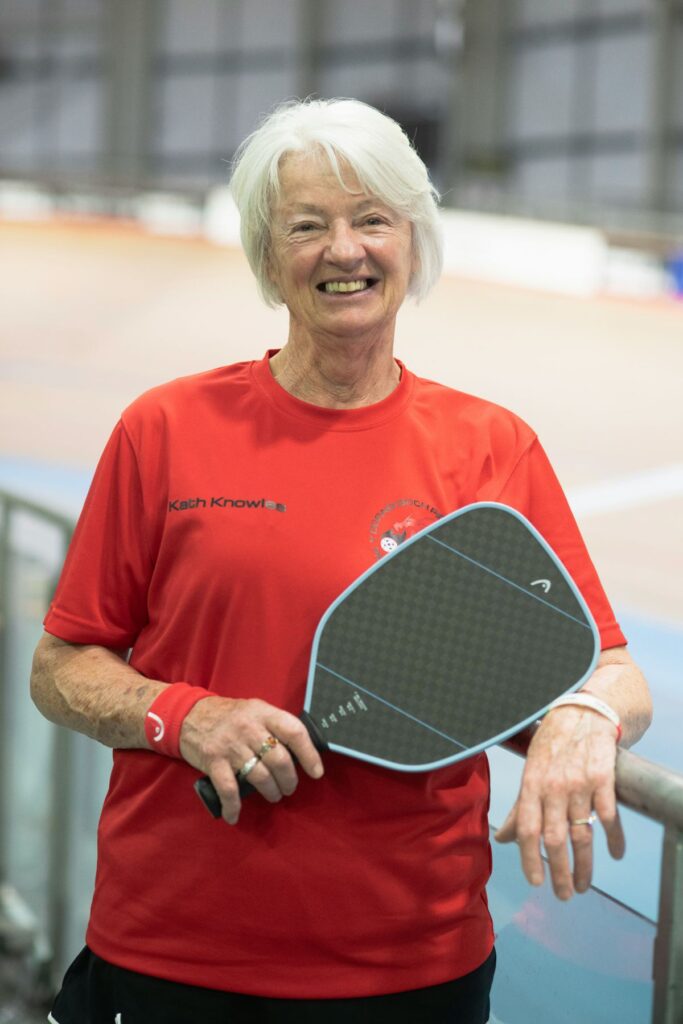
Pickleball has become a staple of active aging across the Twin Cities suburbs, from the YMCA in Forest Lake to busy courts in Maple Grove and community centers throughout the metro. Organized play is easy to find through local parks and recreation programs, the YMCA, and indoor clubs, making it one of the most accessible ways for older adults to stay active in every season.
In Minnesota, where winters push many people indoors, pickleball offers something more than exercise. It brings structure to the week, creates connection during long winters, and helps older adults stay socially engaged. Many members of our Amada Twin Cities team are pickleball enthusiasts themselves, so we see firsthand how much this game means to the seniors and families we serve.
For families, pickleball can be a wonderful sign that a loved one is staying active and engaged. It can also be an opportunity to notice early changes in balance, energy, or coordination that could increase fall risk. That is what makes one reality important to acknowledge.
Most of the time, pickleball is a safe and positive activity. A recent widely reported fatal fall involving a 76-year-old pickleball player, Jeff Webb, is a reminder that while pickleball offers real benefits, it also carries real risks for older adults. The goal is not to discourage play, but to talk honestly about safety in aging bodies.
Why Pickleball Feels Safe and Why That Can Be Misleading
Pickleball’s smaller court and lighter paddle make it feel gentler than many sports, which is why it brings people back to activity. The challenge is that aging changes what happens when something unexpected goes wrong.
A quick pivot or loss of balance that might cause a minor bruise in a younger player can lead to a broken wrist, hip fracture, or head injury in someone in their 70s or 80s. Many pickleball injuries among older adults happen not from overexertion, but from falls.
Normal age-related changes such as slower reaction time, reduced balance recovery, vision changes, arthritis, osteoporosis, blood thinner use, or prior concussions all increase the likelihood of injury and can slow recovery.
Playing Pickleball with Age Aware Respect
Older adults do not need to stop playing pickleball to stay safe. They need to play with awareness. The message is not simply to stay active, but to stay active with awareness. A few simple habits can significantly reduce risk:
- Warm up before play, especially hips, ankles, shoulders, and legs
- Wear court shoes with good lateral support rather than walking shoes
- Build balance and leg strength off the court
- Ease into play instead of jumping into frequent competitive games
- Be honest about dizziness, fatigue, confusion, headaches, or medication side effects
- Choose recreational or skills-based play instead of fast-paced competition when needed
Staying Active and Safe
Pickleball remains a great activity for older Minnesotans. Its social and physical benefits are real. But enthusiasm does not erase biology. Aging changes risk, and acknowledging that fact allows seniors to keep playing longer and more safely.
Staying active should add years of enjoyment, not unnecessary risk. Playing with awareness is one of the most effective safety tools we have. For many older adults, it supports independence as much as it supports physical health.
Contact Amada Senior Care for further information at 763-307-9138 .
- To view the original version of this article visit www.amadaseniorcare.com/twin-cities-senior-care/pickleball-seniors-twin-cities/
- Seniors Blue Book was not involved in the creation of this content.
Other Articles You May Like
Social and Recreational Activities in Senior Living
Are you hoping for your loved one to stay active in senior living? Senior living communities provide comfortable, safe living environments for older adults, but they also offer the opportunities for an active, vibrant lifestyle. Staying active and social is very important for the well-being of older adults, and as such, these communities offer a wide variety of activities to keep their residents both physically and mentally engaged - including book clubs, game nights, exercise groups, field trips, art classes, and more. The range of activities means there's something for everyone, no matter their interests or ability level. In this article, we'll explore different aspects of activities in senior living, including why they matter, the different types offered, how they can suit different ability levels, and more.Why social and recreational activities in senior living matterSenior living activities are more than just a way to fill time. They also help to engage residents both with life and with one another.This engagement is particularly important for seniors, as they may no longer perform many of the regular activities they once engaged in, like work, child-rearing, and even housekeeping.A study published in the Journal of Positive Psychology linked meaningful activities to better mood, life satisfaction, and general well-being, making them crucial for every age. Activities also offer a place to form friendships and discover new interests. Other benefits include: - Reduced loneliness.- Improved physical and mental health.- Increased sense of purpose.- A sense of meaning and belonging.- Cognitive stimulation.- Better quality of life.- Increase engagement in the community.Because the abilities and interests of people vary, offering a wide range of activities is a must for senior living environments.Some may even offer 40 activities or more per week, with a full weekly calendar to choose from. Others might have fewer activities but still focus on quality and resident engagement. Others still might directly involve residents in the planning and suggesting of new programs, in order to make sure that they reflect the interests of the residents, while also fostering a sense of ownership and community pride.Types of activities offered in senior livingWhile individual activities vary between communities, most offer similar types, including: - Creative activities, like painting, music therapy, creative writing, crafts, and sing-alongs.- Social activities, like movie nights, card games, birthday celebrations, talent shows, and outings.- Educational and cognitive activities, like classes, book clubs, talks from experts, discussion groups, and language classes.- Physical activities, like exercise classes, swimming, walking, and dancing.- Supportive activities, like mindfulness, prayer groups, support groups, and yoga.- Specific memory care activities, like reminiscence therapy, picture matching, sensory stimulation, and guided walks.Cost of activitiesAs these activities are essential for residents' quality of life, all communities will include some of them in their base fee. However, there may be extra fees in some cases. For example, you might pay for: - The materials used in craft classes.- Premium activities, especially in low-cost communities.- Classes with a guest speaker.- Field trips.- Costs when visiting a restaurant or during a shopping trip.- Professional services from outside providers (like massages).- Private classesAdapting senior living activities for all levels of careSenior living activities should be suited to the abilities of the residents. Within a community, you might see approaches like: - Offering a wide selection of activities, with some suited for more active residents and others for those with limited mobility.- Variation within an activity. For example, flexible art classes might allow residents to paint what they like, perhaps even to do so using their fingers instead of a brush. - Accessible spaces, which make participation easier for residents who use mobility aids.There are also variations between community types, as certain living options cater to seniors with more limited abilities.Independent livingIndependent living communities are designed for seniors who are largely self-sufficient and want to enjoy an active, maintenance-free lifestyle surrounded by peers. Because the residents in these communities are generally active and mobile, they often focus on fun, fitness, and personal growth, with options like hobby clubs, outings, and wellness classes.While there are still likely to be accessible options for those with limited mobility (like arts and crafts or discussion groups), there's usually less variation specifically tailored for those people compared to assisted living or skilled nursing, which provide more hands-on support and adaptive programming.Assisted livingResidents of assisted living communities typically receive help with personal care tasks but remain relatively independent. As a result, activities here are engaging and often focused on the residents' interests. There are generally plenty of activities to choose from, like book clubs and exercise classes. Staff are typically available to provide support to residents where needed.Skilled nursingResidents of skilled nursing facilities have significant medical and personal care needs, and thus a greater variation in their functional abilities. As a result, activities need to be adjusted to better support certain residents.For example, music and exercise programs are available, but are typically designed for those with limited mobility. Activities might also include additional features to support those with limited cognitive abilities.The focus of the activities can also vary. In particular, where assisted living activities tend to be enjoyment-focused, skilled nursing provides many therapeutic recreational activities. These are both enjoyable and help residents retain function, while also promoting physical well-being. Such activities may include gardening, chair yoga, animal therapy, and guided walks.Memory careActivities in memory care units tend to be more structured, shorter, and often sensory-based. They are usually designed to reassure and engage residents, even if they can't perform the activity as they once may have been able to.How senior living communities encourage participation in activitiesCommunities use a variety of approaches to get residents engaged, including: - Resident-focused planning. Activities are planned based on what residents are likely to enjoy.- Flexible, low-pressure activities. Most activities require little commitment and can be adjusted to residents' abilities. This approach makes it easier for residents to turn up and try various activities.- Ample information and advertising. Activities are often advertised in multiple ways, including schedules, posters, and announcements.- Staff attitudes. Staff are trained to be positive and gently encourage residents. They are also consistently involved in the activities as well, making them more predictable and less overwhelming.- Helping residents find activities. Staff may also help residents to find the best activities that suit their interests.- Removing any barriers. This includes targeting anything that makes engaging in activities more challenging.- Resident feedback. Involving residents in event creation and modification can foster a sense of ownership, which in turn encourages participation.Family involvement and visitsFamily members can play a notable role in senior communities. They provide a sense of continuity, ensuring an easier transition from one environment to the next. As a result, most communities encourage family involvement. Family members may be able to participate in activities and collaborate with staff members to promote the best outcomes.Some approaches include:- Joining in with some group activities.- Being part of community celebrations.- Volunteering to help with activities, such as reading to residents.- Talking to staff about their loved one's interests.- Encouraging their loved one to get involved.However, rules vary from community to community, so it's essential to check in with the staff. Following those rules is particularly important for memory, as people with dementia can be highly sensitive to their environment.Social and recreational activities are vital to senior living, helping residents stay active, connected, and fulfilled. By offering a wide variety of options and adapting them to different ability levels, communities create opportunities for engagement and joy, enriching daily life for residents and supporting their well-being.Oasis Senior Advisors Carrollton-Frisco helps families look beyond basic services to understand how each community supports engagement, connection, and well-being. Contact your local advisor, Holly DeLisi, at (682) 375-9604 to find communities that may be a good fit for your lifestyle.The rules and requirements of senior care facilities vary based on company policies and state regulations. The contents of this article represent common guidelines, but may differ from a particular facility's policies or requirements. Oasis can help you learn about the regulations in your state.
When Care Needs Change, Starting Over Shouldn't Be Necessary
Aging rarely follows a predictable path. Learn how CareAparent helps Minnesota seniors remain at home with personal care, skilled nursing, therapy and support that evolves as care needs change.One month, an older adult may be living completely independently. Later, they may need a little help around the house, assistance after a hospital stay, physical therapy to regain strength, medication management or more advanced nursing support.For families, each change can bring another round of questions.Who should we call? What kind of care does Mom need now? Will we need to find another provider? Who will coordinate everything?Those questions can become especially stressful when a family is already dealing with a hospitalization, illness or sudden change in a loved one's abilities.That's why having a care provider that can adapt as needs change can make such a difference.For more than 10 years, CareAparent has helped Minnesota seniors and their families receive personalized care in the place many older adults most want to remaintheir own home. Today, CareAparent provides a continuum of in-home services throughout the seven-county Twin Cities metro area. CareAparentIt May Start With Just a Little HelpSometimes the first sign that an aging parent needs assistance is subtle.Maybe Dad isn't keeping up with housekeeping like he once did. Mom may be having difficulty getting dressed or safely taking a shower. Meals aren't being prepared regularly, medications are becoming confusing, or an adult child is spending more and more time helping with everyday tasks.That doesn't necessarily mean an older adult can no longer live independently.The right support can help make independence possible for longer.CareAparent provides personal care that can include assistance with bathing, dressing and grooming, as well as light housekeeping, laundry and medication reminders. Care can be customized based on the individual's needs rather than forcing the person into a predetermined schedule or level of service. CareAparentFor families, that flexibility matters.The goal isn't to take over someone's life. It's to provide enough assistance so the person can continue participating in it.Then Something ChangesA fall occurs.There's a hospital stay.A chronic condition becomes more difficult to manage.An older adult needs help recovering from surgery.Suddenly, the type of support that worked six months ago may no longer be enough.This is where continuity of care becomes particularly important.Instead of requiring a family to begin searching for an entirely different organization, CareAparent can provide skilled services through licensed medical professionals, including skilled nursing, medication management, wound care, physical therapy and occupational therapy. CareAparentThat allows care to evolve along with the person.Coming Home From the Hospital Can Be a Vulnerable TimeDischarge day can feel like a victoryand it is.But getting home doesn't necessarily mean the recovery is finished.There may be new medications to manage, mobility limitations, wounds requiring attention, exercises to complete or everyday activities that suddenly feel more difficult.Family members may receive discharge instructions but still wonder how they're going to manage everything once their loved one gets home.CareAparent specifically works with individuals transitioning home from hospitals, rehabilitation centers and other acute-care settings. Its skilled services are designed to support recovery and continuity of care in the home. CareAparentFor an older adult, recovering in familiar surroundings can also mean sleeping in their own bed, following familiar routines and remaining close to the people and things that bring comfort.Therapy Can Help Restore IndependencePhysical and occupational therapy aren't simply about completing exercises.They can be important tools for maintaining independence.Physical therapists can work with older adults experiencing pain, injury, illness or age-related declines in mobility. Treatment can address strength, balance, endurance and safer movement.Occupational therapists look at everyday functionhelping individuals find safer and more effective ways to accomplish the activities that are important in daily life.Together, those services can help an older adult work toward a very meaningful goal:Doing more for themselves. CareAparentFamilies Need Support TooWhen someone needs care, the impact extends beyond that individual.Spouses and adult children frequently become caregivers themselvescoordinating appointments, checking medications, helping with meals, managing household responsibilities and worrying about what happens when they aren't there.Over time, those responsibilities can become overwhelming.Professional in-home care can provide something important for both generations.The older adult receives personalized assistance.The family gets to spend more time being family.That distinction matters.A daughter shouldn't always have to be the nurse, housekeeper or care coordinator. A spouse shouldn't have to handle every caregiving responsibility alone.Having trusted support can make the entire family's situation more manageable.Specialized Support for Minnesota VeteransVeterans and their families may also have access to services they don't realize are available.CareAparent serves veterans throughout the seven-county Twin Cities metro as a Home Health Community Provider. Depending upon eligibility and authorization, VA-supported services can include skilled nursing, therapy, respite care, homemaking and home health aide assistance. CareAparentFor families of veterans, understanding available benefits can be an important part of developing a long-term care plan.One Relationship as Needs EvolvePerhaps one of the most reassuring things a family can hear is:You don't have to figure out the next step alone.CareAparent's model is designed around continuity. Personal care, skilled nursing, therapy and additional support can work together so that when circumstances change, the care plan can change too. CareAparentThat can mean fewer unfamiliar faces, fewer transitions between organizations and less time for families spent searching for the next provider.Instead, there is one relationship and a care team that already understands the individual.Aging at Home Should Still Feel Like HomeUltimately, home care isn't simply about completing tasks.It's about helping someone continue living a life that feels familiar and meaningful.It's having coffee in your own kitchen.Sleeping in your own bed.Seeing neighbors you recognize.Following your own schedule.Having family visit without visiting hours.And continuing to make choices about how you live your day.CareAparent describes its approach as combining clinical care with hospitality and personalized attention. The organization has served Minnesota families for more than a decade and provides care throughout Anoka, Carver, Dakota, Hennepin, Ramsey, Scott and Washington counties. CareAparentAs needs change, the answer doesn't always have to be changing where someone lives.Sometimes, the answer is bringing the right care to where they already call home. Learn more about CareAparent's personalized in-home care services and find resources to help your family navigate changing care needs. Call us at 651-702-HOME (4663) or visit our website at www.careaparent.com
Helping Aging Parents Stay Safely at Home
Discover how TruBlue Home Service Ally helps Minnesota families make aging parents' homes safer, easier to maintain and better suited for independent living. For many adult children, there comes a time when visiting Mom or Dad feels a little different.Maybe you notice a loose railing that hasn't been repaired. A lightbulb has been out for months because it's too difficult to reach. The bathroom could use a grab bar, the front steps are becoming harder to navigate, or the list of small home repairs seems to be getting longer.Individually, these things may not seem significant. Together, however, they can be signs that maintaining the home is becoming more difficult.For families who want to help an aging parent remain independent, one of the most important places to start is the home itself.The Home May Need to Change as We AgeA house that worked perfectly at age 50 may present very different challenges at 75 or 80.Stairs become more difficult. Reaching overhead becomes risky. Carrying items while navigating steps can be harder. Bathrooms may lack adequate support, and outdoor maintenance that was once routine can become physically demanding.That doesn't necessarily mean it's time to move.Often, relatively modest changes can make the home easier and safer to navigate while allowing an older adult to maintain the independence they value.For families in Plymouth, Maple Grove and surrounding communities, TruBlue Home Service Ally helps identify and address many of these everyday home concerns. TruBlue's services include home safety assessments, repairs, maintenance and modifications designed to support older adults who want to continue living at home. mn.gov // Minnesota's State PortalStart by Looking at the Home Through New EyesAdult children often know their parents' homes almost as well as their own. That familiarity can actually make potential problems easier to overlook.Instead of simply visiting, walk through the home while thinking about how your parent's needs may have changed.Are stairs adequately lit? Are handrails secure? Is getting in and out of the shower becoming difficult? Are frequently used items stored where they can be reached safely? Are there loose flooring, cords or other potential tripping hazards? Are exterior steps, decks and walkways in good condition?TruBlue's senior home safety assessment takes a more systematic approach. Minnesota's aging-services directory describes the company's assessment as covering dozens of areas, including walkways, garage access and lighting, porches and decks, doors, slipping and tripping hazards, water temperature, stairs and railings. mn.gov // Minnesota's State PortalThe goal isn't to completely remodel a parent's home. It's to identify practical improvements that can make everyday activities easier and safer.Don't Let the Small Repair List Keep GrowingOne of the biggest challenges for aging homeowners isn't necessarily a major renovation.It's the little things.A sticking door. A loose cabinet handle. A damaged step. A dripping faucet. A railing that wiggles. A light fixture that needs attention. Seasonal maintenance that keeps getting postponed.For an adult child, those tasks can quickly turn into another weekend "to-do" listespecially when you're also balancing your own home, career, children and other responsibilities.This is where having a trusted home service professional can make a significant difference.Rather than waiting until small problems become larger ones, families can have repairs and maintenance handled proactively.Home Safety Is About Independence, Not Just RepairsA grab bar isn't simply a piece of hardware.A sturdy railing isn't simply a home improvement.For an older adult, these improvements can provide confidence.Being able to move around the home comfortably, use the bathroom more safely, enter and exit the house with greater ease and keep the property maintained can all contribute to a person's ability to remain independent.That distinction is important.Aging-in-place improvements aren't about making a home look "medical." They're about adapting the environment so it continues to work for the person who lives there.Give Adult Children Peace of Mind, TooSupporting an aging parent from across townor across the countrycan be stressful.Adult children may wonder whether the house is being maintained, whether something needs repair or whether their parent is attempting projects that are no longer safe for them to tackle.Having a reliable local resource can relieve some of that pressure.TruBlue's approach combines handyman services, senior home modifications, home safety and ongoing maintenance. The Plymouth and Maple Grove operation describes its role as helping homeowners maintain their homes through different stages of life. LinkedInThat can allow adult children to spend less time worrying about the house and more time simply being a son or daughter.Have the Conversation Before There's a CrisisFamilies sometimes wait until after a fall, hospitalization or other major event before evaluating the home.A better approach is to start earlier.Ask your parent what has become difficult around the house. Walk through the home together. Talk about the chores they no longer enjoy or feel comfortable doing. Look for simple changes that could make daily life easier.Most importantly, involve your parent in the decisions.Aging in place works best when older adults feel that changes are helping them maintain control and independence, rather than taking those things away.A Trusted Home Ally Can Make a DifferenceHelping a parent remain at home doesn't have to mean doing everything yourself.For families throughout Plymouth, Maple Grove and surrounding Twin Cities communities, TruBlue Home Service Ally provides professional home repairs, maintenance, home safety assessments and senior-focused modifications that can help make aging at home more manageable. mn.gov // Minnesota's State PortalSometimes the best way to help Mom or Dad remain independent isn't a major life change.It may simply begin by making sure the home they love continues to work for them. Learn more about TruBlue Home Service Ally Plymouth & Maple Grove through their Seniors Blue Book profile, or contact their team at 763-400-3748 to discuss home safety, maintenance or aging-in-place needs.
Local Services By This Author

Amada Senior Care Twin Cities
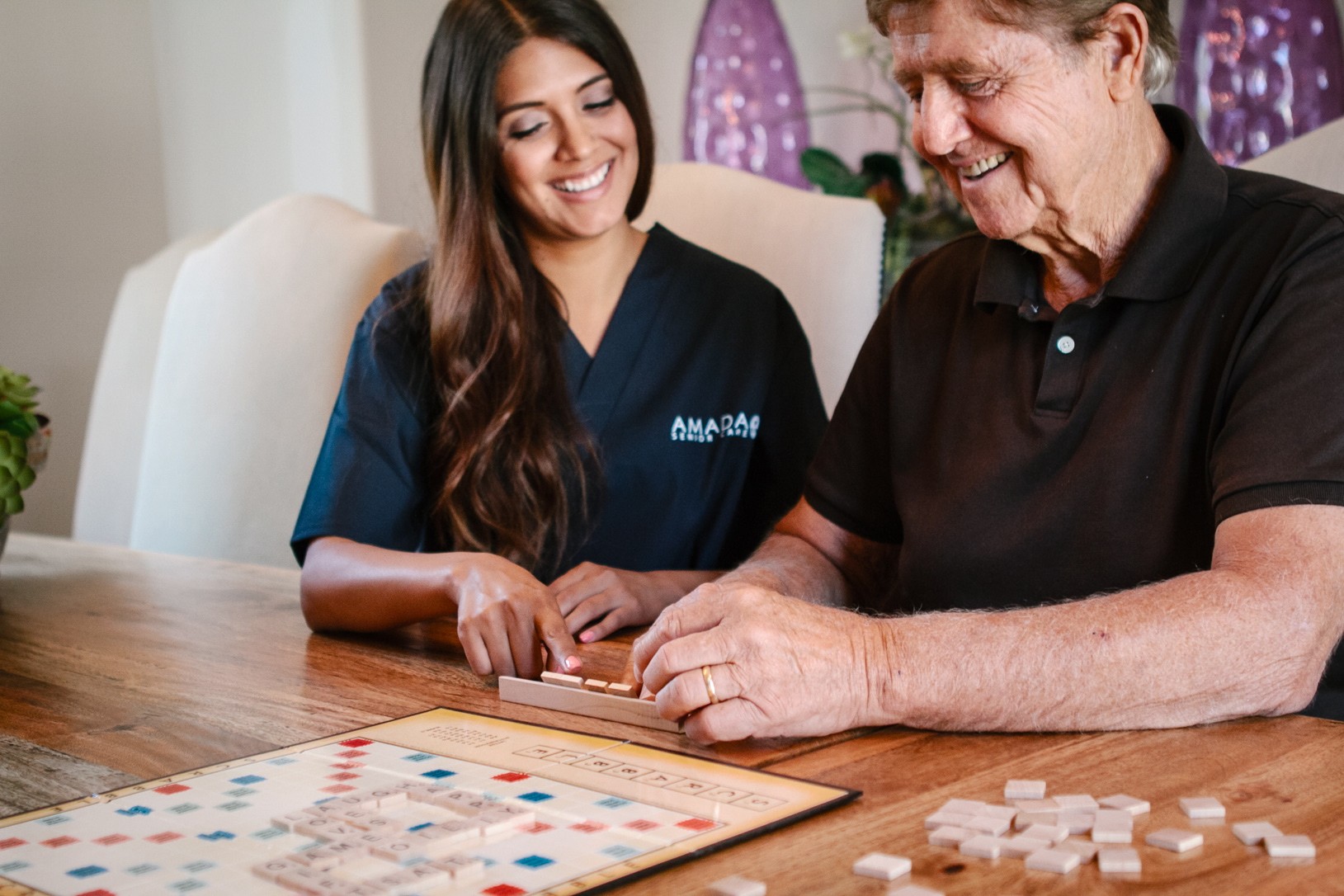
Dementia Care 8441 Wayzata Boulevard, Ste 345, Golden Valley, Minnesota, 55426Alzheimers and Dementia Care at Amada Senior CareCaring for a loved one with Alzheimers disease or another form of dementia can be one of the most emotional and challenging journeys a family experiences. As memory loss progresses, seniors often require specialized support, patience, and compassionate care. At Amada Senior Care, families can find trusted in-home Alzheimers and dementia care services designed to help seniors remain safe, comfortable, and dignified while living in familiar surroundings.Amada Senior Care understands that no two dementia journeys are alike. Alzheimers disease and related dementias progress differently for each individual, which is why their caregivers develop personalized care plans tailored to the unique needs of every client. These care plans evolve over time as symptoms change, ensuring seniors receive the right level of assistance throughout each stage of the disease.Highly trained caregivers at Amada provide specialized support for seniors experiencing memory loss, confusion, behavioral changes, and difficulty performing daily activities. Their compassionate team assists with essential activities of daily living (ADLs) such as bathing, dressing, meal preparation, medication reminders, mobility assistance, and personal hygiene. These services help seniors maintain independence while ensuring safety and comfort at home.One of the most important aspects of Alzheimers and dementia care is creating a structured environment. Amada caregivers establish consistent daily routines that reduce anxiety and confusion for seniors with cognitive impairment. Predictable schedules, calming interactions, and familiar surroundings can help individuals feel more secure while supporting their emotional well-being.Safety is another critical focus of dementia care. Seniors with Alzheimers may experience wandering, forgetfulness, or impaired judgment, which can create potential hazards. Amada caregivers perform home safety assessments and help implement practical adjustments that minimize risks while preserving a seniors independence and dignity. They also carefully monitor changes in behavior or health and communicate regularly with family members to keep them informed about their loved ones condition.Beyond providing direct care, Amada Senior Care supports families by helping them navigate the complex financial and logistical aspects of long-term care. Their team offers expert assistance with long-term care insurance claims, veterans benefits, and funding options, helping families access the financial resources available to support dementia care services.For families considering additional care options, Amada also provides senior housing and memory care placement guidance. If remaining at home is no longer the safest option, their advisors help families explore assisted living or memory care communities that specialize in dementia care. This ensures seniors receive the appropriate level of support while maintaining the highest quality of life possible.Most importantly, Amada Senior Care recognizes that Alzheimers and dementia affect the entire familynot just the individual living with the disease. Their caregivers provide emotional support, respite care for family caregivers, and education to help loved ones understand what to expect throughout the progression of the condition. With compassionate professionals guiding the journey, families can feel more confident and supported during an incredibly difficult time.For seniors, Amada Senior Care offers a compassionate solution for Alzheimers and dementia caredelivering personalized support, trusted guidance, and peace of mind for families who want their loved ones to age with dignity, safety, and comfort.
Amada Senior Care Twin Cities
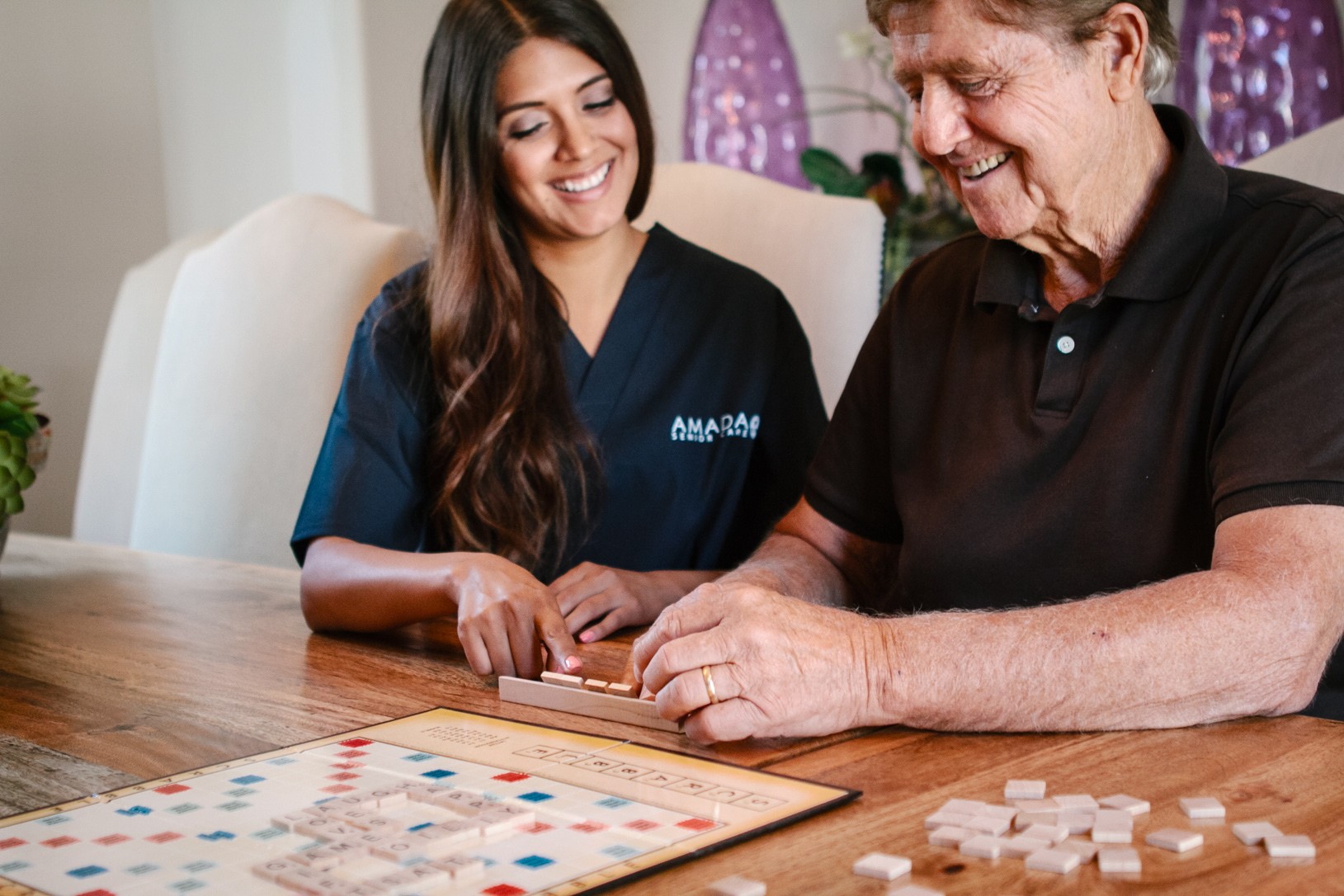
Hospice 8441 Wayzata Boulevard, Ste 345, Golden Valley, Minnesota, 55426End-of-Life Companion Care Services at Amada Senior Care Facing the final stages of life is one of the most emotional experiences a family can go through. During this time, compassionate support and meaningful companionship can make an extraordinary difference for both the individual and their loved ones. Amada Senior Care provides end-of-life companion services that focus on comfort, dignity, and emotional support, helping seniors remain peaceful and supported in their own homes or wherever they reside.Amadas caregivers understand that end-of-life care is about far more than physical assistanceit is about being present for seniors and their families during a deeply personal time. Their trained caregivers provide non-medical companionship and supportive care designed to enhance comfort, reduce anxiety, and ensure that seniors feel respected and cared for throughout their final journey. These services often complement hospice care by offering additional emotional and daily living support.Companion caregivers from Amada help with many essential tasks that make life easier and more comfortable for seniors receiving end-of-life care. They assist with activities of daily living, such as bathing, dressing, mobility support, medication reminders, and meal preparation when appropriate. These services allow seniors to remain comfortable while helping family members focus on spending meaningful time with their loved one. Beyond practical care, companionship plays a powerful role in end-of-life support. Amada caregivers provide calming and reassuring presence through conversation, reading aloud, listening to stories, or simply sitting quietly with a senior who may not want to be alone. These moments of connection can ease fear and loneliness while bringing comfort during a difficult transition.Amada caregivers also support families by helping maintain a peaceful home environment. Light housekeeping, laundry, and meal preparation allow loved ones to focus on emotional connection rather than daily tasks. Caregivers can also provide overnight companionship so family members can rest, knowing their loved one is safe and supported.Communication and coordination with families and hospice providers are another important part of Amadas approach. Caregivers carefully observe changes in comfort, behavior, or mobility and communicate with family members so they remain informed about their loved ones needs. This collaborative approach ensures seniors receive the right level of support and that families feel guided and supported throughout the process.One of the most meaningful aspects of end-of-life companion care is helping seniors maintain their dignity and quality of life. Whether assisting with personal care, reminiscing about memories, or simply holding a hand during quiet moments, Amada caregivers strive to create a calm and compassionate atmosphere where seniors feel valued and respected.For families in the Twin Cities area, Amada Senior Care provides trusted guidance and heartfelt companionship during lifes most delicate moments. Their compassionate caregivers offer not only practical assistance but also emotional support, helping families navigate end-of-life care with peace of mind and reassurance that their loved one is never alone.
Amada Senior Care Twin Cities
Non-Medical 8441 Wayzata Boulevard, Ste 345, Golden Valley, Minnesota, 55426Navigating Care at Home Through Lifes Transitions in the Twin CitiesIn the MinneapolisSaint Paul metro and surrounding area, aging rarely follows a straight line. One year a parent is shoveling their own walk, the next theyre recovering from a hospital stay, managing a new diagnosis, or quietly struggling with daily routines. For families across Golden Valley and the surrounding Twin Cities communities, the question often isnt if help is neededbut how to bring it in without taking independence away.Thats where Amada Senior Care Twin Cities, a trusted home health company based in Golden Valley, Minnesota, steps in. Rather than offering one-size-fits-all solutions, Amada focuses on helping seniors stay safely at home during lifes most commonand most stressfultransitions.Why Transitional Care Matters More Than Ever in the Twin CitiesThe Twin Cities metro is home to more than 700,000 residents age 60+, and that number continues to grow. With major health systems like Abbott Northwestern, Methodist Hospital, and United Hospital nearby, families often face sudden decisions after hospital discharges, surgeries, or changes in mobility.Transitions are where many seniors fall through the cracks:Hospital to homeRehab to independent livingLiving alone after the loss of a spouseManaging chronic illness while trying to remain activeWithout proper in-home support, these moments can lead to avoidable hospital readmissions, caregiver burnout, or premature moves into assisted living.Amada Senior Care Twin Cities specializes in bridging those gapssafely, compassionately, and locally.A Home Health Approach That Respects IndependenceAmadas philosophy centers on one simple belief: most seniors want to remain at home for as long as possibleand with the right support, they can.Rather than replacing independence, Amadas caregivers reinforce it.Services are customized to meet each clients evolving needs, which may include:Post-hospital and post-surgical careAssistance with bathing, dressing, and mobilityMedication reminders and safety monitoringMeal preparation and light housekeepingTransportation to medical appointmentsCompanionship and cognitive engagementAlzheimers and dementia careThis flexible model is especially valuable in communities like Golden Valley, Plymouth, St. Louis Park, and Edina neighborhoods where seniors may live alone but remain deeply connected to their homes and routines.Local Knowledge Makes a Real DifferenceOne of the most overlooked aspects of quality home care is local expertise. Amada Senior Care Twin Cities understands the specific challenges seniors face in Minnesotafrom icy winters and fall risks to navigating regional healthcare systems and veteran benefits. team regularly coordinates with:Twin Cities hospitals and rehab centersLocal physicians and discharge plannersVeterans Affairs resourcesCommunity senior programs and nonprofitsThat local coordination ensures care plans dont exist in isolationthey work in real life.Families often come to us feeling overwhelmed after a sudden change, shared a representative from the Amada Senior Care Twin Cities team. Our role is to steady the ground beneath themhelping their loved one recover safely at home while giving the family confidence that theyre not navigating it alone.Supporting Family Caregivers, Not Replacing ThemIn Minnesota, a significant portion of senior care is still provided by adult childrenmany of whom are balancing full-time jobs, their own families, and long commutes across the metro.Amada doesnt aim to replace family caregivers. Instead, they support them.How Amada Helps Families Breathe AgainProviding respite care to prevent burnoutOffering professional insight on changing care needsAdjusting schedules as health conditions evolveBeing a reliable presence when families cant be thereThis partnership approach is especially meaningful for long-distance caregivers or those managing care across Minneapolis and Saint Paul while living elsewhere.Specialized Experience with Memory Care at HomeAs Alzheimers and dementia diagnoses rise across Minnesota, more families are seeking ways to provide memory care without immediate placement in a facility.Amada Senior Care Twin Cities offers trained caregivers who understand:Dementia-related behaviors and communicationThe importance of routine and familiaritySafety strategies for wandering and confusionEmotional reassurance for both seniors and familiesFor many Twin Cities families, this level of in-home support can delay or even prevent the need for residential memory carewhile maintaining dignity and comfort.What Sets Amada Senior Care Twin Cities ApartNot all home health agencies operate the same way. Families often choose Amada because of its combination of professionalism, warmth, and accountability.Key differentiators include:Carefully screened and trained caregiversPersonalized care plans that evolve over timeStrong communication with familiesExperience navigating long-term care insurance and VA benefitsDeep roots in the Twin Cities senior-care networkThis blend of compassion and operational excellence reflects Amadas commitment to both seniors and the families who love them.When Is It Time to Consider Home Health Care?Many families wait too longassuming help means giving up. In reality, early support often preserves independence longer.Home care may be beneficial if you notice:Increased falls or balance issuesMissed medications or appointmentsChanges in personal hygieneIsolation or withdrawalDifficulty managing meals or household tasksStarting care sooner allows seniors to adjust gradually, rather than during a crisis.Frequently Asked Questions About Home Health in the Twin CitiesIs home health care only for seniors with serious medical needs?No. Many clients begin with companionship or light assistance and scale care as needs change.Can Amada Senior Care Twin Cities provide short-term care after surgery or illness?Yes. Transitional and recovery care is one of Amada Senior Care Twin Cities core strengths.Do caregivers help with transportation around the Twin Cities metro area?Absolutely. Caregivers can assist with rides to medical appointments, errands, and community activities.Is care available on weekends or overnight?Yes. Amada Senior Care Twin Cities offers flexible scheduling, including evenings, weekends, live-ins, and 24-hour care.Does Amada Senior Care Twin Cities help families understand payment options?They do. The team assists families with long-term care insurance, VA benefits, and private-pay planning.A Trusted Local Resource for Aging Well at HomeFor seniors in Golden Valley and across the MinneapolisSaint Paul area, aging at home doesnt have to mean aging aloneor unsafely. With the right support, home can remain a place of comfort, dignity, and connection.Amada Senior Care Twin Cities continues to be a trusted partner for families navigating the realities of agingoffering steady guidance through lifes transitions and compassionate care where it matters most. To learn more, explore their full profile and additional resources on their Seniors Blue Book listing:https://www.amadaseniorcare.com/twin-cities-senior-care/